
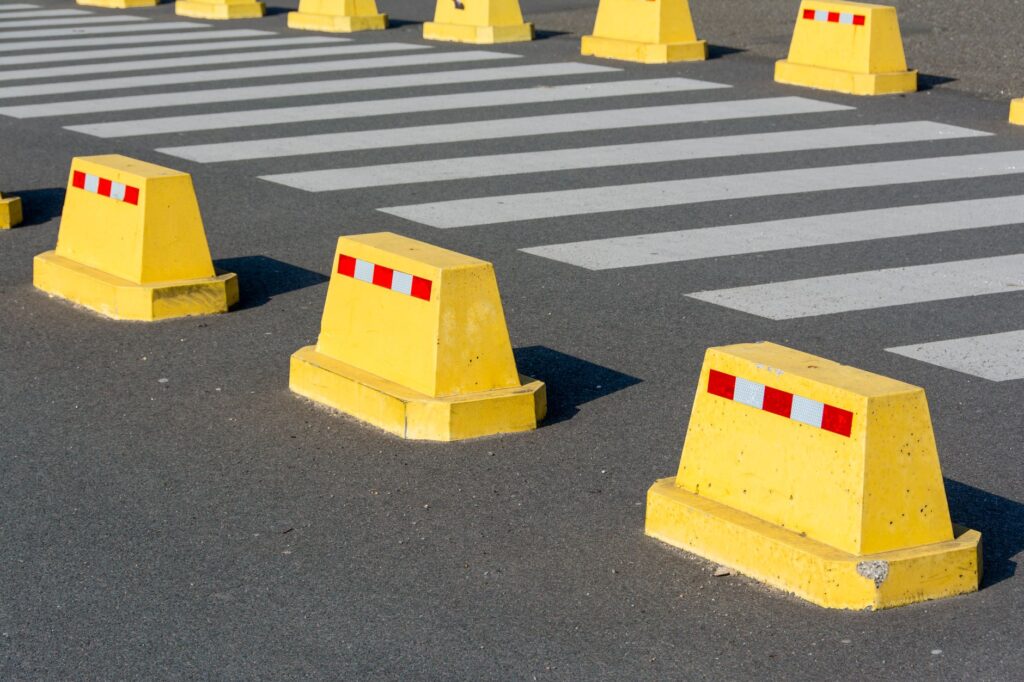
Modern driving is far more complex than simply moving from one place to another. Roads today are shared by millions of vehicles, cyclists, pedestrians, and public transport systems, all operating within limited space and often under time pressure. Traffic control plays a central role in keeping this environment functional, safe, and efficient. Without it, modern mobility would quickly become chaotic, unsafe, and significantly less productive. A traffic control company is often responsible for designing, installing, and maintaining the systems that keep these road networks operating smoothly.
Traffic control refers to the systems, infrastructure, and regulations used to manage the movement of vehicles and people on roads. This includes traffic lights, road signs, lane markings, speed regulations, roundabouts, highway monitoring systems, and increasingly, digital technologies such as smart sensors and adaptive traffic signals. Together, these elements form a coordinated network that supports drivers in navigating roads safely and efficiently.
Improving Road Safety
One of the most important functions of traffic control is reducing accidents. Roads are inherently high-risk environments because they involve fast-moving vehicles, human decision-making, and unpredictable conditions. Traffic control systems reduce these risks by creating predictable patterns of behavior.
Traffic lights, for example, regulate the flow of vehicles at intersections where conflict points are highest. By assigning right of way in an organized sequence, they prevent collisions that would otherwise occur if drivers acted independently. Stop signs, yield signs, and roundabouts serve a similar purpose by ensuring that drivers interact in a controlled and understandable way.
Speed limits are another essential safety tool. They are designed based on road type, visibility, pedestrian activity, and accident history. In urban areas, lower speed limits give drivers more time to react to sudden events such as a pedestrian crossing or a vehicle braking ahead. On highways, higher but regulated speeds maintain flow while still limiting the severity of potential crashes.
Road markings also contribute significantly to safety. Lane dividers, pedestrian crossings, and directional arrows help drivers maintain proper positioning and anticipate upcoming changes in traffic flow. When these markings are clear and well-maintained, they reduce confusion and improve reaction time.
Enhancing Traffic Efficiency
Beyond safety, traffic control systems are essential for maintaining efficient movement. Without coordination, congestion would occur even with moderate traffic volumes. Efficient traffic flow is achieved by synchronizing signals, designing road layouts carefully, and managing demand across different routes.
Modern cities often use coordinated traffic light systems that adjust timing based on real-time conditions. Instead of fixed intervals, these systems can extend or shorten green lights depending on traffic density. This reduces unnecessary stopping and starting, which not only improves travel time but also reduces fuel consumption and emissions.
Roundabouts are another example of efficiency-focused design. Unlike traditional intersections, they allow continuous movement without the need for full stops in many cases. This reduces delays and minimizes the likelihood of severe collisions.
Highway on-ramp metering is also used in some regions to regulate how vehicles enter busy roads. By controlling the rate of entry, traffic engineers can prevent sudden surges that lead to congestion downstream.
Supporting Driver Decision-Making
Driving requires constant decision-making, often under pressure and at high speeds. Traffic control systems reduce cognitive load by providing clear, consistent information that helps drivers make better decisions.
Road signs are one of the most direct forms of communication. Directional signs guide drivers toward destinations, warning signs alert them to hazards, and informational signs provide essential details such as distances, lane usage, or upcoming exits. This reduces uncertainty and allows drivers to focus more on the road itself.
Digital navigation systems also integrate with traffic control data to provide real-time updates. Drivers can receive alerts about congestion, accidents, or road closures before reaching affected areas. This allows them to adjust routes proactively rather than reacting when it is too late.
In addition, lane discipline enforced through markings and barriers helps drivers maintain predictable behavior. When everyone follows the same rules of positioning and movement, the overall system becomes easier to navigate and safer for all users.
Reducing Environmental Impact
Traffic control is not only about movement and safety; it also plays a growing role in environmental sustainability. Vehicles produce more emissions when they idle, accelerate, and brake frequently—conditions commonly caused by poor traffic flow.
By optimizing traffic signals and reducing congestion, traffic control systems help lower fuel consumption and emissions. Smooth traffic flow means fewer stops, less idling, and more consistent speeds, all of which contribute to reduced environmental impact.
Some cities are now integrating environmental data into traffic management systems. For example, traffic signals can be adjusted to prioritize routes with lower congestion or to reduce vehicle buildup in pollution-sensitive areas. Encouraging public transport efficiency through dedicated bus lanes also reduces the number of private vehicles on the road.
Integrating Technology and Smart Systems
In recent years, traffic control has evolved significantly through the use of smart technology. Sensors embedded in roads, cameras at intersections, and connected vehicle systems now allow for real-time data collection and analysis.
These systems can detect traffic volume, speed patterns, and congestion points instantly. Traffic control centers use this data to adjust signal timings, deploy emergency services, or issue alerts to drivers. Artificial intelligence is increasingly being used to predict traffic patterns based on historical and real-time data, allowing cities to respond proactively rather than reactively.
Vehicle-to-infrastructure communication is another emerging development. In such systems, vehicles can communicate directly with traffic signals and road infrastructure. This can improve timing accuracy, reduce waiting times, and eventually support autonomous driving systems.
Supporting Emergency and Special Situations
Traffic control is also essential in managing emergencies and unusual situations. Accidents, roadworks, and extreme weather events can all disrupt normal traffic flow. In these cases, traffic control systems help redirect vehicles safely and efficiently.
Emergency services rely on coordinated traffic systems to reach incidents quickly. Traffic signals can be adjusted to give priority to ambulances and fire trucks, reducing response times and potentially saving lives.
During large public events or evacuations, temporary traffic management plans are implemented to handle increased demand. These may include temporary road closures, detours, or additional signage to guide drivers through unfamiliar conditions.
Traffic control is a foundational element of modern transportation systems. It ensures that roads remain safe, efficient, and navigable despite growing traffic volumes and increasing complexity. By guiding driver behavior, improving traffic flow, supporting decision-making, reducing environmental impact, and integrating advanced technology, traffic control systems make modern driving possible at scale.
As cities continue to grow and transportation networks become more complex, the importance of intelligent and adaptive traffic control will only increase. For modern drivers, these systems are not just background infrastructure—they are essential tools that shape every journey.