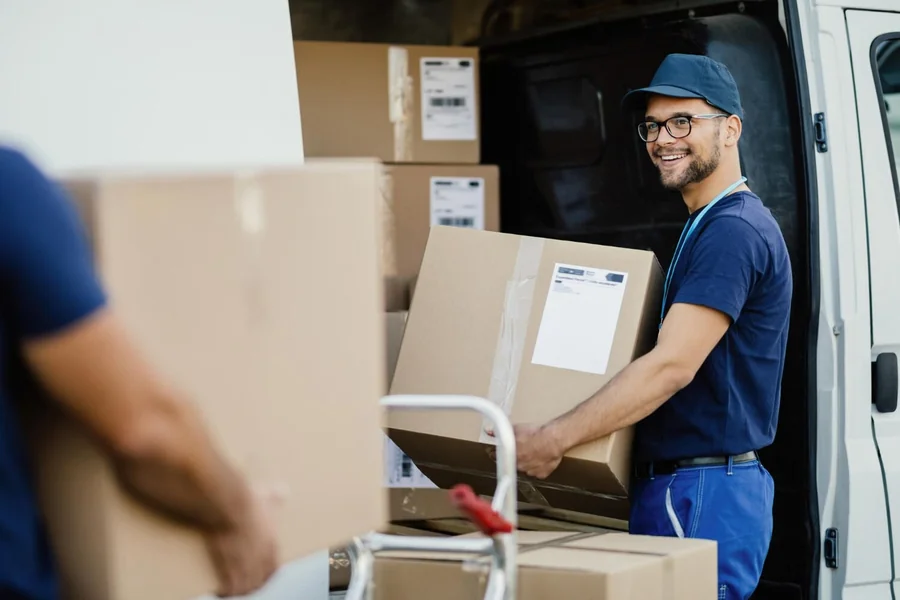

In e-commerce, brand loyalty is no longer driven only by product quality or pricing. While those factors still matter, customer experience has become the real deciding factor in whether shoppers return to a brand or move on to a competitor. One of the most influential elements of that experience is fulfillment speed—the time it takes for an order to be processed, shipped, and delivered.
Fast fulfillment is no longer seen as a bonus. It is a baseline expectation that directly influences how customers perceive reliability, trustworthiness, and overall brand value.
Why Speed Matters Beyond Convenience
At first glance, fulfillment speed might seem like a simple convenience factor. Customers prefer fast delivery because it is practical and saves time. However, its impact goes much deeper.
Speed communicates efficiency. When a brand consistently delivers quickly, it signals that its operations are well-organized and dependable. This creates a sense of confidence in the customer’s mind, not just about delivery, but about the entire business.
On the other hand, slow or inconsistent fulfillment introduces uncertainty. Even if the product is excellent, delays can make customers question whether the brand is reliable.
First Impressions Shape Long-Term Loyalty
The first order a customer places is critical. It sets the tone for the entire relationship. If the product arrives quickly and without issues, the customer is more likely to feel satisfied and trust the brand for future purchases.
However, if fulfillment is slow or unpredictable, that first impression can create doubt. Even if the product eventually meets expectations, the negative experience of waiting too long can reduce the likelihood of repeat purchases.
In many cases, fulfillment speed becomes the difference between a one-time buyer and a loyal customer.
Speed Builds Emotional Trust
Brand loyalty is not just rational—it is emotional. Customers stay loyal to brands they trust, and trust is built through consistent, positive experiences.
Fast fulfillment reinforces this trust. When customers know they can rely on a brand to deliver quickly, they feel more confident making future purchases. This reduces hesitation and increases purchase frequency.
Over time, this reliability becomes part of the brand identity. Customers begin to associate the brand with efficiency and professionalism.
The Role of Expectations in Customer Satisfaction
Customer expectations play a major role in how fulfillment speed is perceived. A two-day delivery might feel fast for one customer but slow for another, depending on what they are used to.
As major e-commerce platforms continue to set high standards for delivery speed, customer expectations across the industry have increased. This means even small delays can have a larger impact on satisfaction than they would have in the past.
Meeting or exceeding expectations is essential for building loyalty. Falling short, even slightly, can push customers toward competitors who offer faster delivery.
Consistency Matters More Than Occasional Speed
While fast delivery is important, consistency is even more critical. Customers do not just remember the fastest delivery they ever received—they remember whether a brand is reliable over time.
A brand that consistently delivers within two or three days will often build stronger loyalty than one that occasionally delivers in one day but frequently experiences delays.
Consistency reduces uncertainty. When customers know what to expect, they are more likely to return and purchase again.
Fulfillment Speed and Repeat Purchases
Repeat purchases are the foundation of brand loyalty. Fulfillment speed directly influences whether customers return.
Fast delivery creates a positive feedback loop: customers receive their order quickly, feel satisfied, and are more likely to shop again. Slow delivery disrupts this cycle and reduces motivation to return.
In competitive markets, even small differences in fulfillment speed can determine whether a customer chooses the same brand again or tries a competitor.
The Operational Side of Loyalty
Behind every fast delivery experience is a fulfillment system. Inventory management, warehouse efficiency, shipping coordination, and logistics planning all contribute to speed.
Brands that invest in strong fulfillment infrastructure are better positioned to deliver consistently fast service. This is where many businesses rely on professional e-commerce fulfillment services to scale efficiently, maintain delivery standards, and ensure consistent performance across multiple sales channels.
Some businesses also rely on specialized logistics networks or outsourcing models such as e-commerce fulfillment Europe to reduce delivery times across regions and improve consistency for international customers.
Speed Reduces Friction in the Buying Experience
Friction in e-commerce refers to anything that makes the buying process less smooth. Fulfillment speed reduces friction by removing uncertainty after purchase.
When customers know their order will arrive quickly, they feel more confident completing checkout. They are also less likely to contact support or feel anxious after purchasing.
This smooth experience contributes to positive brand perception and increases the likelihood of repeat engagement.
Speed as a Competitive Advantage
In many industries, products are becoming increasingly similar. This makes logistics and fulfillment a key differentiator.
Brands that can deliver faster than competitors gain a clear advantage. Even if pricing and product quality are similar, faster fulfillment can be the deciding factor for customers choosing where to buy.
Over time, this advantage compounds into stronger brand loyalty and higher customer lifetime value.
The Emotional Impact of Waiting
Waiting is often more powerful than the actual delivery time. Even a short delay can feel longer if communication is unclear or expectations are not managed properly.
Fast fulfillment reduces waiting time and creates a sense of instant gratification. This positive emotional response strengthens the connection between customer and brand.
Conversely, long or uncertain delivery times can create frustration, even if the final product is satisfactory.
Conclusion
Fulfillment speed plays a critical role in shaping brand loyalty. It influences first impressions, builds trust, reduces friction, and creates emotional satisfaction.
In today’s competitive e-commerce landscape, customers expect fast and reliable delivery as standard. Brands that consistently meet these expectations are more likely to earn repeat purchases and long-term loyalty.
Ultimately, fulfillment speed is not just a logistics metric—it is a core part of the customer experience and a key driver of sustainable business growth. If you are also comparing quick-service options and pricing ideas for inspiration, you can check the cookout menu with prices.