
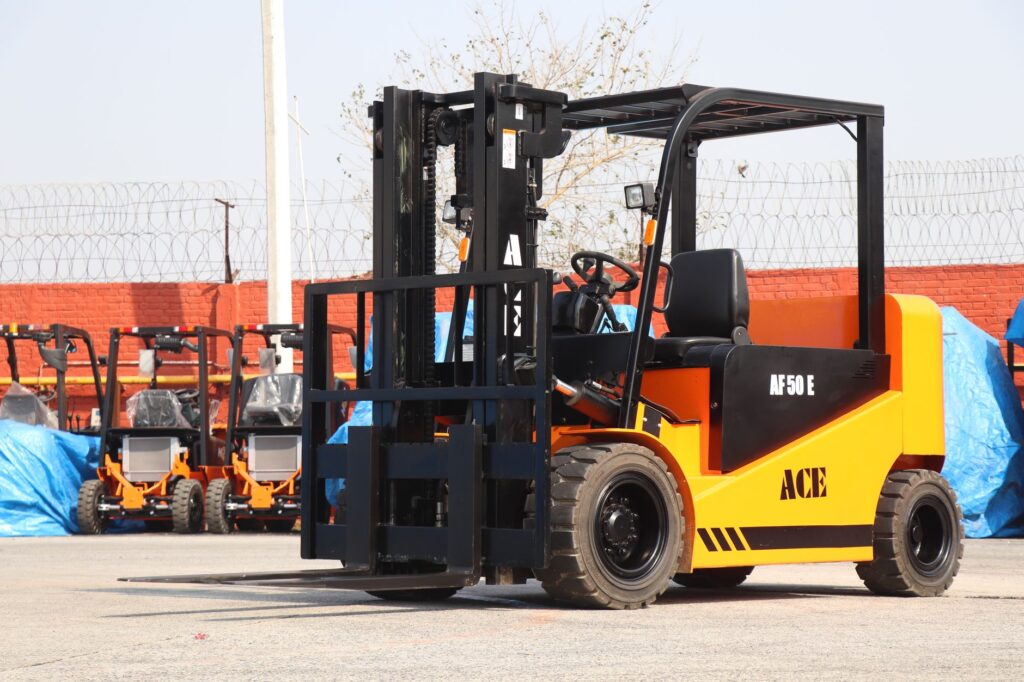
Warehouse efficiency has become a defining factor in the success of modern supply chains. Businesses are under constant pressure to move goods faster, reduce operating costs, improve safety, and maximize available storage space. One of the most effective ways to achieve these goals is through the strategic use of forklift hire. Rather than committing to the significant expense and maintenance responsibilities associated with purchasing equipment, companies can access the right machinery when they need it, allowing them to improve productivity while maintaining financial flexibility.
Forklift hire provides warehouses with the opportunity to optimize operations by matching equipment capabilities with specific tasks. Whether a business needs to handle increased seasonal demand, upgrade its material handling processes, or complete a short-term project, hiring forklifts offers a practical solution that supports efficiency and adaptability.
Improving Operational Flexibility
One of the greatest advantages of forklift hire is the flexibility it provides. Warehouse requirements can change quickly due to market trends, customer demand, expansion projects, or temporary increases in inventory. Purchasing a forklift may leave a company with equipment that becomes underused or unsuitable as operational needs evolve.
Hiring forklifts allows warehouse managers to select equipment based on current requirements. For example, a business may need a compact electric forklift for indoor operations, a heavy-duty model for transporting large loads, or specialized equipment for narrow aisle storage systems. By accessing different forklift types as needed, warehouses can avoid operational limitations and ensure every task is completed using the most suitable equipment.
This flexibility is particularly valuable during peak periods, such as holidays or promotional campaigns, when inventory volumes increase significantly. Instead of investing in permanent equipment that may sit idle for much of the year, companies can hire additional forklifts temporarily to maintain smooth workflows during busy periods.
Reducing Costs and Improving Budget Management
Cost control is a major priority for warehouse operators. Buying forklifts involves substantial upfront investment, along with ongoing expenses such as maintenance, repairs, insurance, storage, and depreciation. These costs can place unnecessary pressure on a company’s finances, especially for small and medium-sized businesses.
Forklift hire transforms equipment costs into a more manageable operational expense. Businesses only pay for the machinery when it is required, helping them allocate resources more effectively. Many forklift hire providers also include maintenance and servicing agreements, reducing the risk of unexpected repair costs and minimizing downtime.
By avoiding large capital expenditures, companies can invest in other areas of warehouse optimization, such as inventory management systems, employee training, automation technology, or facility improvements. This balanced approach helps create a more efficient and competitive operation.
Enhancing Warehouse Productivity
Productivity depends heavily on the speed and accuracy of material movement. Forklifts play a critical role in transporting pallets, loading and unloading vehicles, stacking inventory, and organizing storage areas. Having access to reliable equipment ensures that warehouse teams can complete tasks efficiently without unnecessary delays.
Modern forklift models are designed with advanced features that improve performance, including improved visibility, ergonomic controls, energy-efficient systems, and enhanced maneuverability. Hiring newer equipment can give warehouses access to these benefits without the cost of purchasing the latest technology.
A well-equipped warehouse can reduce the time employees spend moving materials manually, allowing staff to focus on higher-value activities. Faster loading processes, improved stock organization, and reduced handling times all contribute to increased productivity across the entire supply chain.
Maximizing Storage Space
Warehouse space is one of the most valuable resources available to businesses. Effective space utilization allows companies to store more inventory without expanding their facilities. Forklift hire can support better storage strategies by providing access to equipment designed for specific warehouse layouts.
For example, narrow aisle forklifts enable businesses to create tighter storage configurations while maintaining efficient access to goods. Reach trucks and specialized lifting equipment allow warehouses to utilize vertical space by safely storing products at greater heights.
By improving storage density, forklifts help warehouses reduce wasted space and create more organized environments. Better organization also makes it easier for employees to locate products, manage inventory levels, and fulfill customer orders accurately.
Supporting Workplace Safety
Safety is a fundamental aspect of warehouse optimization. Poor material handling practices can lead to damaged goods, equipment accidents, and workplace injuries. Using appropriate forklift equipment helps create safer working conditions by ensuring that loads are handled correctly and efficiently.
Professional forklift hire companies often provide equipment that meets current safety standards and is regularly inspected. This reduces the risk associated with outdated or poorly maintained machinery. Additionally, many providers can offer guidance on selecting the correct forklift for specific applications, helping businesses avoid using unsuitable equipment.
A safer warehouse environment improves employee confidence, reduces disruptions, and supports consistent productivity. When workers have access to reliable machinery and proper operating procedures, overall efficiency improves.
Adapting to Business Growth
As businesses expand, warehouse operations often become more complex. Increased inventory volumes, larger facilities, and changing customer expectations require adaptable solutions. Forklift hire enables companies to scale their material handling capabilities without making long-term commitments before they are ready.
A growing business can gradually increase its equipment capacity as demand rises. This approach reduces financial risk while allowing warehouse operations to develop alongside business needs. Companies can test different forklift models, evaluate performance, and determine which equipment investments may be worthwhile in the future.
Improving Sustainability Efforts
Sustainability is becoming increasingly important for warehouse operations. Many forklift hire providers offer access to electric and energy-efficient models that help businesses reduce emissions and improve environmental performance.
Electric forklifts are particularly suitable for indoor warehouse environments because they produce fewer emissions and often operate more quietly than traditional fuel-powered alternatives. By hiring environmentally friendly equipment, companies can adopt greener practices without immediately replacing their entire fleet.
This approach supports sustainability goals while also helping businesses comply with evolving environmental expectations.
Forklift hire is more than a temporary equipment solution; it is a strategic tool for improving warehouse optimization. By providing flexibility, reducing costs, increasing productivity, maximizing storage capacity, enhancing safety, supporting growth, and encouraging sustainable practices, forklift hire enables businesses to create more efficient operations.
In a competitive logistics environment, warehouses must be prepared to adapt quickly and operate effectively. Access to the right forklift equipment at the right time allows companies to respond to changing demands while maintaining control over their resources. For businesses looking to improve performance without unnecessary investment, forklift hire offers a practical pathway toward a more productive and optimized warehouse.